
After a person dies, his or her debts live on
May 20, 2025
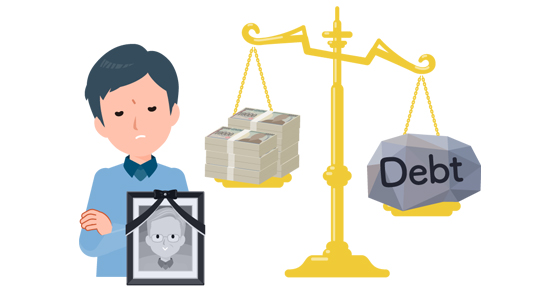
One question the family of a deceased person often asks is: What happens to debt after a person dies? It’s important to realize that a person’s debt doesn’t simply vanish after his or her death.
An estate’s executor, devisees or beneficiaries generally aren’t personally liable for any debt unless they agree to assume it. The estate itself is liable for the deceased’s debt and the assets owned by the deceased are subject to creditor claims. This is true regardless of whether the estate goes through probate or if the decedent’s assets are held in a revocable (or “living”) trust. Contrary to popular belief, assets held in a revocable trust aren’t shielded from creditors’ claims even though the trust is outside of the probate process.
Assets and debts
An estate’s executor is responsible for ascertaining and managing the deceased’s assets and debts.
With respect to debt, the executor should take inventory of the deceased’s debts, evaluate their validity and order of priority, and determine whether they should be paid in full or allowed to continue to accrue during the estate administration process. In some cases, debt that’s tied to a particular asset — a mortgage, for example — may be assumed by the devisee or beneficiary who inherits the asset.
Certain assets are exempt from creditor claims. These include most retirement plan accounts, life insurance proceeds received by a beneficiary and jointly held property with rights of survivorship. These assets pass automatically to the joint owner or the named beneficiary outside od probate.
Also, assets held in certain irrevocable trusts, such as domestic asset protection trusts, may be shielded from creditors’ claims. The extent of this protection depends on the type of trust and applicable law in the jurisdiction where the trust was created.
Assuming the deceased had a will, the estate’s assets generally are used to pay any debts in this order:
1. Assets that pass under the will’s residuary clause — that is, assets remaining after all other bequests have been satisfied,
2. Assets that pass under general bequests, and,
3. Assets that pass under specific bequests.
Note that some states have established homestead exemptions or family allowances that prohibit the sale of certain assets to pay debts. These provisions are designed to give a deceased’s loved ones a minimal level of financial security in the event the estate is insolvent.
When debts are greater than the estate’s value
If an estate’s debts exceed the value of its assets, certain debts have priority and the estate’s executor must pay those debts first. Although the rules vary from state to state, a typical order of priority is:
• Estate administration expenses (such as legal, accounting and executor fees),
• Reasonable funeral expenses,
• Certain federal taxes or obligations,
• Unreimbursed medical expenses related to the deceased’s last illness,
• Certain state taxes or obligations (including Medicaid reimbursement claims), and
• Other debts.
Secured debts, such as mortgages, usually aren’t given high priority. This is because the recipient of the property often assumes responsibility for the debt and the creditor can take the collateral to satisfy its claim.
Seek professional guidance
Managing debt in an estate can be complex, especially if the estate is insolvent. If you’re the executor of an estate, consult with us. Contact one of our estate planning attorneys, and we can help guide you through the process.
©2025